Making of Order of the Sinking Star: Sights & Sounds of the Realm
In a game with over 1,000 interconnected puzzles, visual clarity and audio atmosphere aren't solely just for aesthetic purposes only – they amplify the core gameplay mechanics and the game’s world as a whole!
To wrap up our "Making Of" series this week, we sat down with our audio and art leads to discuss how the aesthetic identity of Order of the Sinking Star was forged.
Q: First, can you introduce yourselves and share your role on the project?
My name is Ethan Scheu, and I am the current Art Lead on Order of the Sinking Star. As a member of a small art team, my role covers a wide range. Primarily, I help to establish the visual quality, techniques, and components we use to build out the many scenes and graphics in the game. I create many of the models, textures and materials that act as the core building blocks for constructing the settings and biomes in the game, and I also work as a level artist, building many of the game’s levels. Lastly, I help to coordinate, plan and review work for the rest of the art team, which has ranged from three to now eight artists in total. I've been with the company for the last four of the ten years that the game has been in production. Given that timeline, there have been a number of talented artists before me that performed a massive amount of work to establish the visual direction, tools, and best practices for building art for this project. The rest of the art team and I have worked hard to build upon that strong foundation.
HCK: My name is Hans Christian Kock, and I've been the lead sound designer on OSS since 2019.
PD: My name is Peter Due, composer and violinist, and my role is to compose the orchestral music of OSS. I´ve been part of the audio team since 2021.
MSA: I’m Martin Stig Andersen, and I’ve been working on the project since 2019, focusing on music design and composing ambient music.
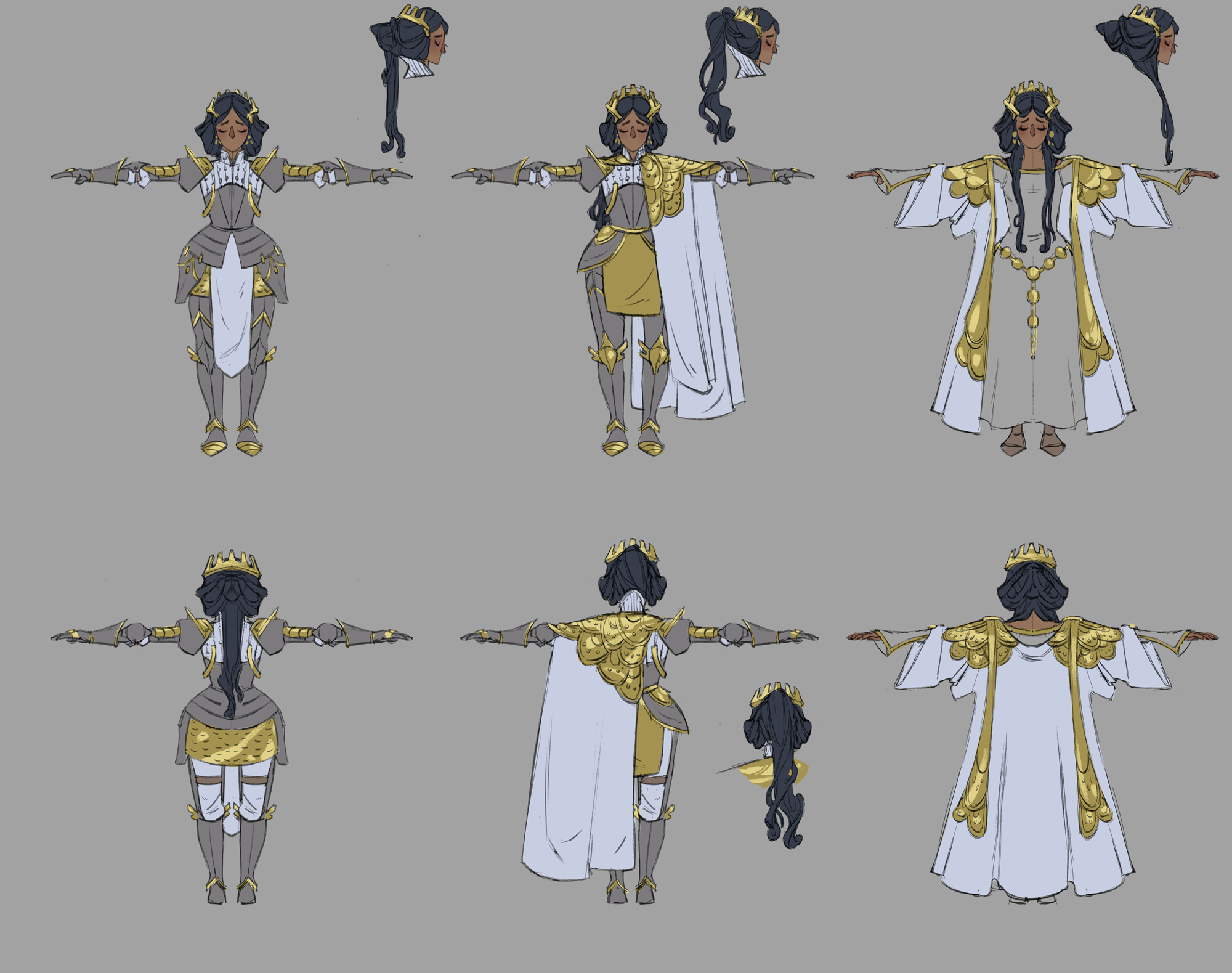
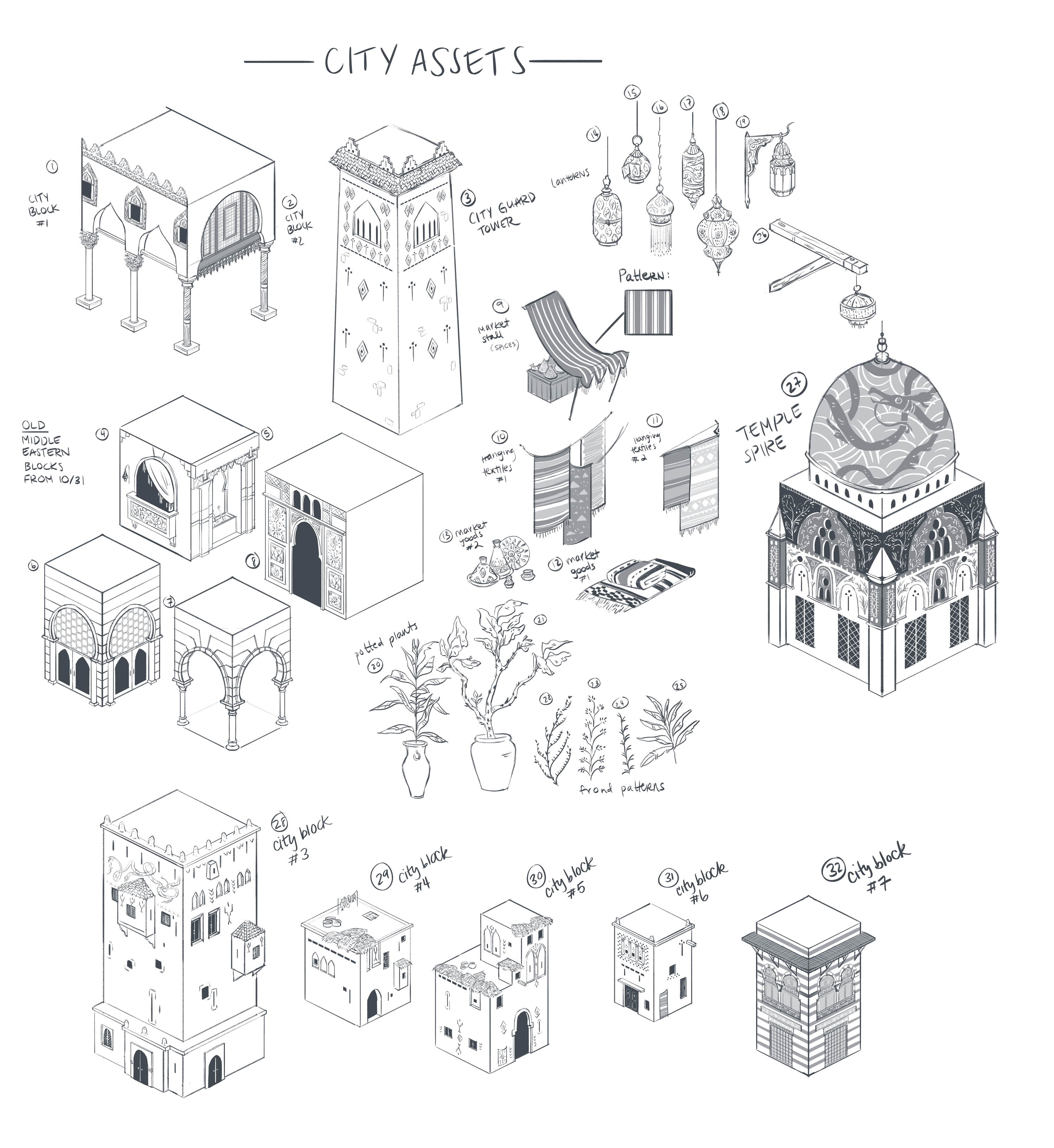
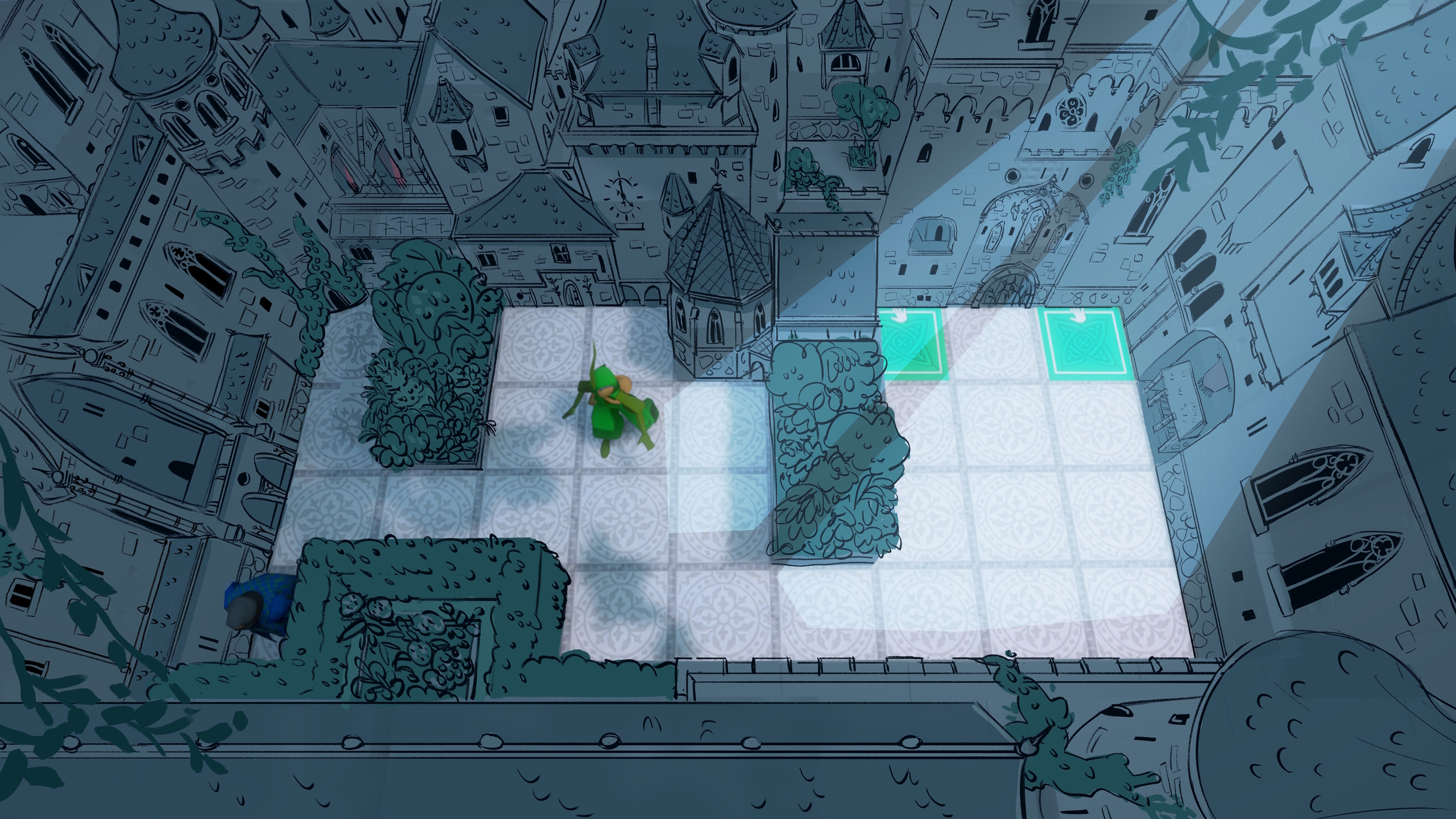
Art Direction & Environmental Design
Q: How do you balance high aesthetic detail with visual clarity so players can easily identify puzzle mechanics without clutter or UI hand-holding?
This is something that has continued to be refined since before my time on the project. We've honed quite a few techniques that help the player immediately recognize, focus on, and navigate the interactive parts of the environment. There is a lot of emphasis on visually separating the play area from the surrounding walls and background. The primary tool for this is creating visual contrast between these areas. For example, the walkable area might be light in value, while the background is dark. We also play with scale to enhance that separation, where background objects and architecture are miniaturized in a way that makes them look irrelevant as something the characters and player might be able to interact with. We also aim to keep the play areas themselves clean and uncluttered with the grid clearly defined. Where we do add detail, it is always meant to enhance the grid or emphasize an important area of the level. So, you might see plants or rocks on the play areas that align cleanly along a grid point, or a patch of grass, rock or sand that further enhances that grid readability while also adding some visual interest to the scene. We also use lighting and atmosphere to clarify those play areas further and deemphasize background elements that might otherwise create a lot of visual noise and distraction.
Q: In a game where players might spend 30 to 60 minutes analyzing a single location, how did you design environments that prevent visual fatigue over extended play sessions?
I think most of the philosophies I mentioned above, which ensure the puzzle is instantly readable and reduce visual noise, also help to minimize visual fatigue. Additionally, we keep ambient effects, fog movement, and camera motion very subtle, so they enhance the atmosphere without drawing attention. When we are effective with this, I believe having a beautiful environment for the puzzle to live in actually makes the experience something the player will want to engage with and focus on for longer, finding it much more rewarding and pleasant in the process.
Q: As players cross boundaries between the four distinct realms, how does the visual language evolve to signal that different mechanical rules are now blending together?
Although the core design idea for OSS has always been the same, the story and idea of the worlds merging physically came later in development after many of the visuals had already been established. The different core games always had their own unique settings and biomes and architectures, but it wasn't until later that we decided those existed in different worlds with fundamentally different properties. So, we mostly rely on subtle cues, where elements like plants, architecture, or types of rock from one world start appearing in others once they have physically joined. There are also more explicit examples, for instance, where the concept of water that pools and collects doesn't exist in certain worlds. As a result, water as a gameplay mechanic is highlighted in worlds where it exists and when those worlds merge with worlds where it was previously absent.
Q: What was the visual inspiration behind the "Sinking Star" cataclysm, and how did you reflect a world locked in a static, fragmented state through architecture and lighting?
his idea evolved from a couple of places. There are sort of three distinct sections of the game, and the final section that players will encounter has levels that are conceptually more experimental from a design standpoint, and don't fit as neatly into the design philosophies of the rest of the game. We wanted to distinguish this section visually from the rest of the game and have the art feel more uncanny and surreal not only to add visual variety, but also to match the experimental quality of the level design. When puzzle designers create the gameplay and level layout, they use a simple toolset of manipulating grid aligned cube units that act as the walls and floors of the levels that the characters collide with. We thought it might be a cute and interesting concept to let players see the underpinnings or "hand" of the designer, so we toyed with the idea of exposing those cubes. So, we experimented with creating a stylized, higher-fidelity representation of those cubes that look a bit sci-fi, which further led to the idea that these blocks were literally projecting the matter that made up the rest of the world, from its architecture to its plants and rocks. This idea became intertwined with the game's narrative and also acts as a sort of visual metaphor for how the game is built, where we artists add a decorative shell overtop of the cubes that make up the actual interactive structure of the puzzle spaces.
Q: Were there any specific art decisions or environmental cues that changed late in development based on how playtesters interacted with the puzzles?
We constantly edit and improve level art based on feedback and interactions we witness by playtesters. Though we've not made any major pivots to the overall art direction of the game, we certainly tweak parts of individual levels or props to enhance the playability, whether it's to bring attention to an area or object that we want players to notice or that was previously obscured, or if it's cleaning up some section that was making it harder for the player to read the level layout. We also work closely with designers to get initial feedback on how a level looks to see if there are any issues with readability in order to prevent those problems in the first place.
 Watch on YouTube ↗
Audio & Sound Design + Music
Q: What is the core philosophy behind composing a score for a deep puzzle game like this one? Walk us through how the soundtrack was composed for such a massive adventure!
PD: Creating the score has been an iterative process, just like the game development. We tried different styles and concepts before arriving where we are now. But throughout the process the core philosophy has been that the music should do two things: support the story and not get in the way of the puzzle solving experience. Every piece was first composed as a non-dynamic demo and tested in-game. If the mood was right, a dynamic version was created by cutting up the music into short segments and layers and then implementing it in our music system. A key function of the music system is a cool down mechanism, which reduces the intensity of the music over time. The puzzles can be difficult and time consuming, and to avoid music fatigue, the music will gradually transition to almost nothing if the player is inactive while thinking about the puzzle.
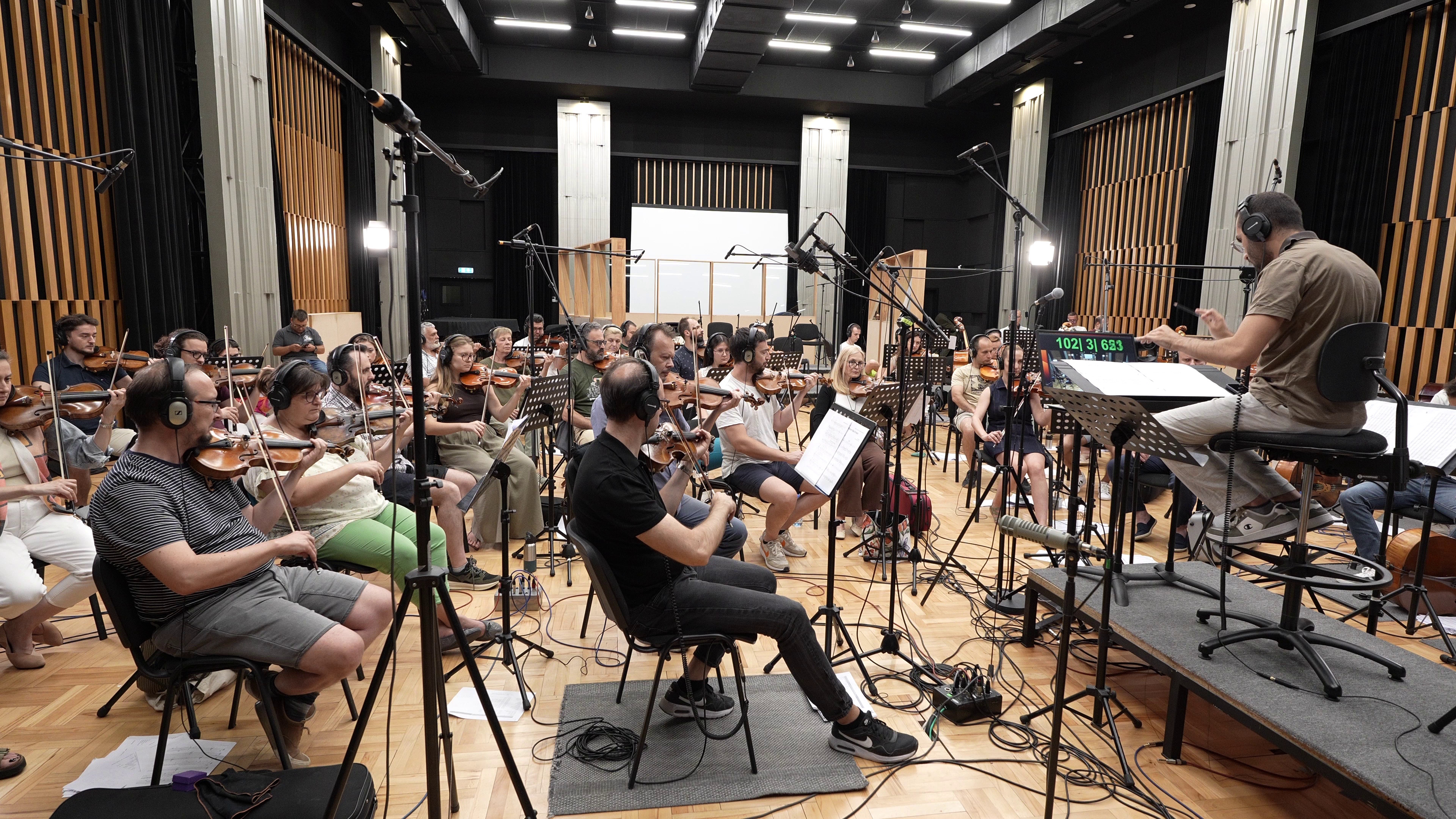
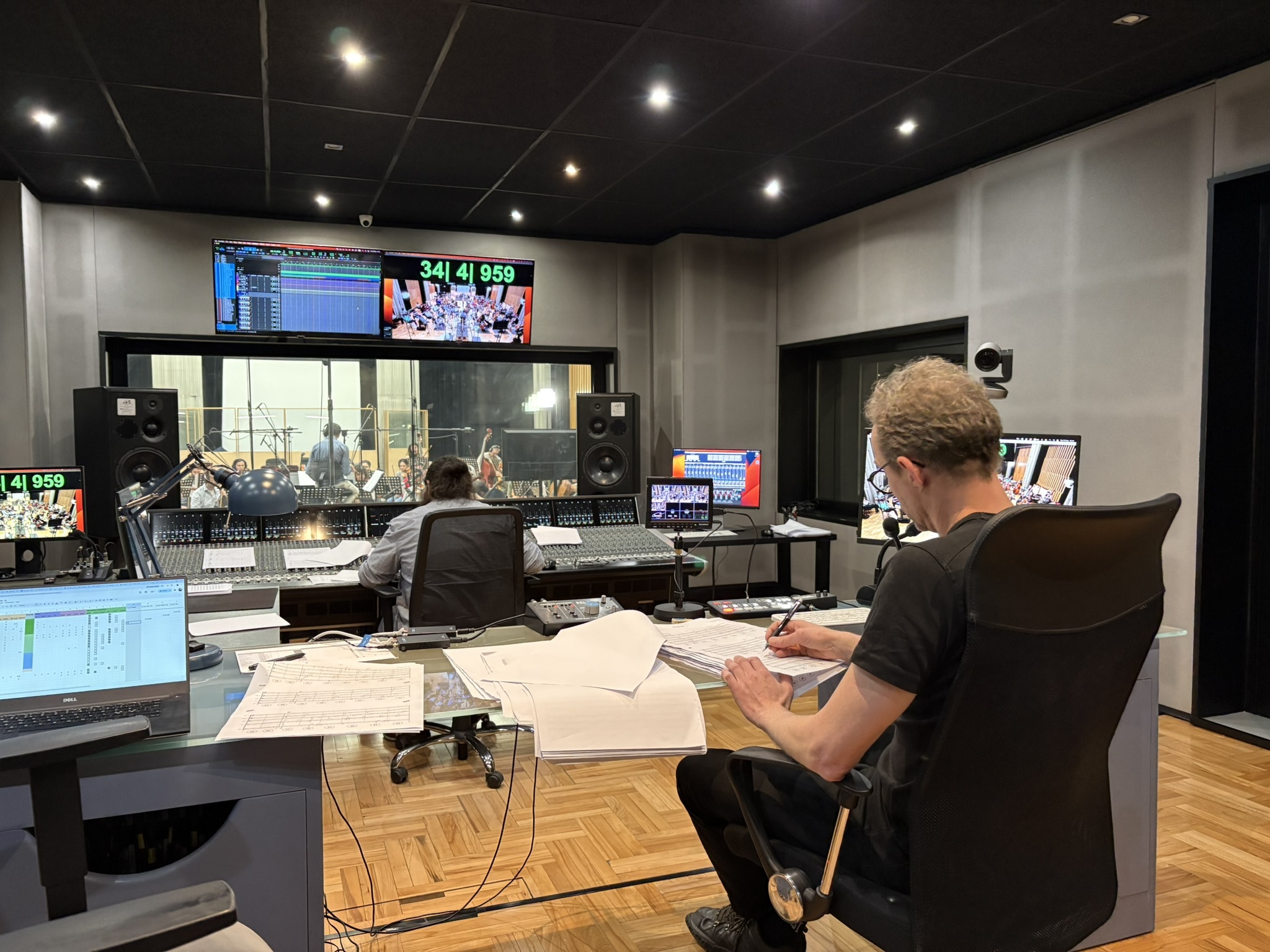
MSA: Although the game features more music than most AAA games I’ve worked on, it is still relatively sparse considering that the game offers more than 500 hours of gameplay. This presents its own challenge when it comes to keeping the music from becoming repetitive or annoying over time. One way of addressing this was to take inspiration from impressionism, where the focus often shifts from chord progression to the sonic qualities of the chords themselves. In other words, the music has a more non-linear quality, allowing it to remain present without continuously marking the passage of time and reminding players how long they have been stuck. Having Peter’s extensive score recorded by a live string orchestra certainly also helps make the music enjoyable to listen to over extended periods.
Q: How does the audio and music overall dynamically adapt to player progression? Do the audio and music subtly shift during specific, key moments?
HCK: Yes, in a puzzle game like this, where the player can spend a very long time in the same location, sound is the element that most clearly indicates the passage of time, and potentially underscores the player’s sense of repetition, stagnation, and ultimately frustration. So, we have attempted to create a soundscape that takes this into account, subtly changing all the time and adapting to the player’s state of mind - or what the player 'needs' to hear. So, there are never any loops in OSS, neither in the music nor in the ambient sounds. Everything is dynamically generated and adapts to a range of parameters from the game. For example, how long you’ve been in a puzzle, how active you are, whether you’re quickly moving stones and crystals and switching characters constantly, or if you’re sitting passively pondering your solution. So, the music and sound will never be the same.
MSA: When entering a puzzle, we set the scene, a bit like an establishing shot in a film, before gradually zooming in on the sounds relevant to the puzzle. Musically, we open with a unique intro or a high-intensity segment containing melodies, chord progressions, pacing, and other linear qualities before transitioning into the more non-linear feel. When puzzles are sequenced, this approach has the added benefit of making the sudden musical flourish feel like a reward for progressing from the previous puzzle. While the music remains dynamic throughout, we use the time spent in a puzzle to shift the intensity range, gradually moving from mid-to-high intensities towards low-to-mid intensities.
Q: Sound effects in puzzle games often double as mechanical feedback. How did you design distinct audio cues for interactions?
HCK: We want the game to feel physical, so whether you move a rock or crystal or you teleport through mirrors, it feels heavy, powerful and satisfying. But it can quickly become exhausting to listen to forceful sound effects when solving a difficult puzzle with numerous moves. So, all these gameplay sounds change over time, becoming simpler, softer and more pleasant to listen to the more they play. Then, if you’ve been thinking for long enough, they become physical and textured again once you start moving.
The same actually applies to the characters’ foley—their footsteps and movements. These serve both as feedback sounds to indicate that you’ve moved a tile, but they also provide a sense of presence and physicality to the characters. However, since these sounds can also become tiring to listen to over time, they too are lowered and simplified the more you move.
Q: With four distinct realms colliding, how did you craft unique sonic identities for each region while ensuring they harmonize when mechanics cross over?
HCK: It’s not something we’ve theorized much about, but there is a clear advantage in developing a game over such a long period (7 years for the sound design). By iterating over such an extended time, the different worlds and their sounds naturally find their place, where they can both harmonize and complement each other across realms.
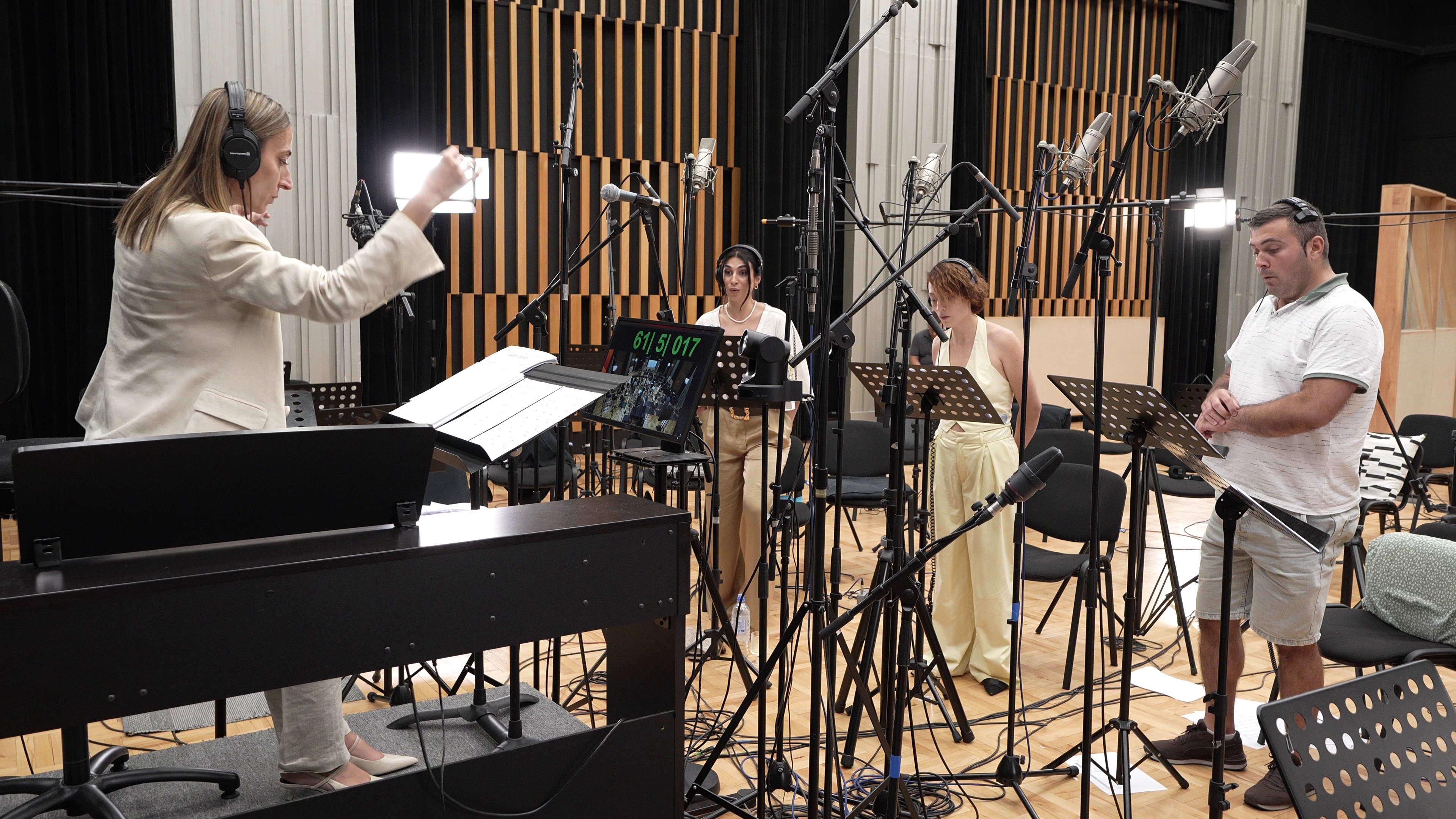
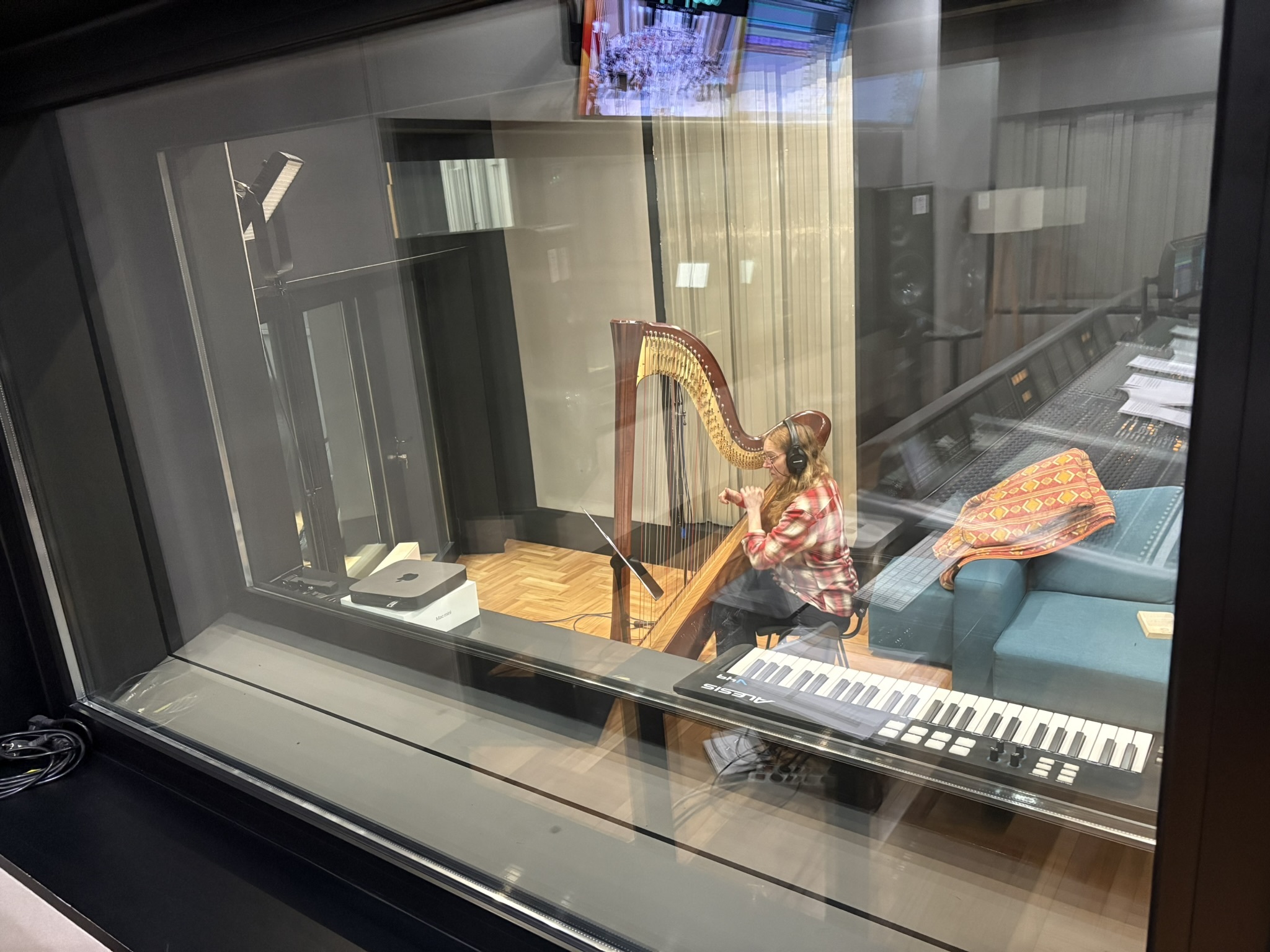
PD: Each of the four worlds has its own melodies and harmonic language, all within a tonal and mostly slow, string-based sound. The string orchestra, beautifully recorded at FAMES Studio, is a key factor that ensures a cohesive musical experience also when the realms collide.
Q: How do ambient nature and environmental soundscapes work alongside the music to keep players grounded and immersed during long puzzle-solving stretches?
HCK: Playing OSS can naturally be both demanding in terms of concentration and frustrating, so we constantly strive to soothe the player and make the game pleasant to listen to. Neither the music nor the ambient sounds should ever become a source of stress. (And never repetitive, as mentioned before)
As for the ambient sounds, we’ve aligned them closely with the visual expression. We want to highlight the graphical elements and bring them to life, making them feel real. But we also try to hint that there’s more than meets the eye, like dangers lurking and secrets hiding behind the walls. And we also play a great deal with acoustics, so the same gameplay sounds can feel different whether we’re in a cave, a church, or an open landscape.
PD: Music and environmental soundscapes are always tested together to ensure that they don´t get in the way of each other and thereby interfere with the immersive player experience.
Cross-Disciplinary Collaboration
Q: How closely did the art and audio teams work directly with the puzzle designers to ensure a visual or acoustic was in line with what was planned for a puzzle’s design?
MSA: Early in the process, the artists created a lot of mood and storyboards for us, along with descriptions of the characters, their relationships, and their backstories. Although the game has changed quite a bit since then, these materials were very useful in helping us develop the overall tone.
Q: What is one subtle visual or audio detail hidden in the world that you're most excited for observant players to discover?
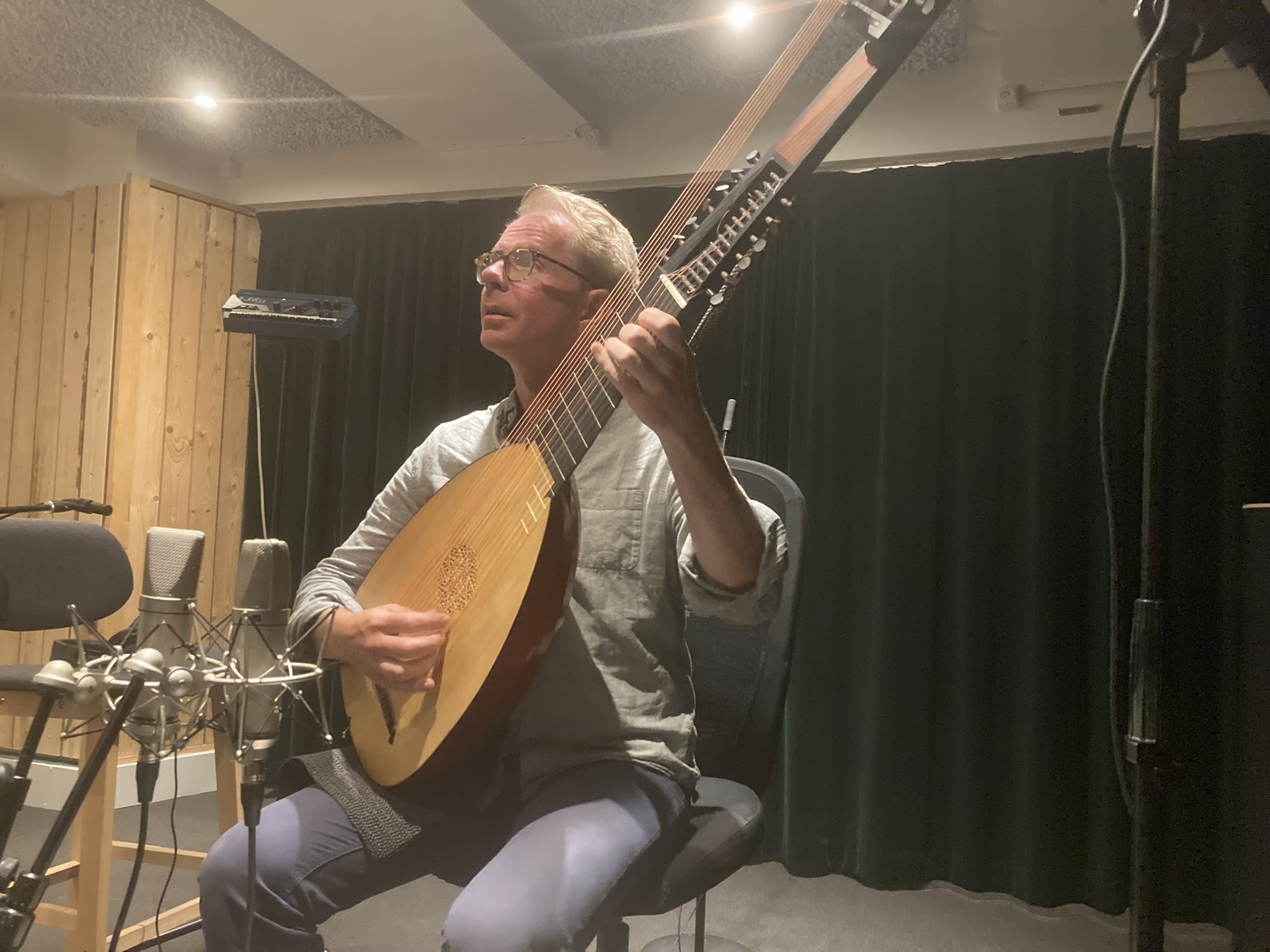
PD: The Bard is not exactly hidden, but there are many details to discover. She is the result of the collaboration between many people; composer, sound designer, music designer and programmers. I hope players will notice how the bard music changes when she “catches” someone, or something, in her music aura. And the smooth transitions between playing and not playing. We built an in-game lute sample instrument from scratch to achieve this.
MSA: Just echoing Peter here, the lute works like magic. We teamed up with lute player Fredrik Bock back in 2022 and recorded a range of variations for each individual note on the instrument, including stopped and open strings, trills, and chords. This added up to a total of 1300 individual sound files, all of which are triggered note by note at runtime according to the gameplay and musical context. Thanks to this approach, the Bard can naturally start and stop playing alongside the background music at any given point, without the need for awkward crossfades.
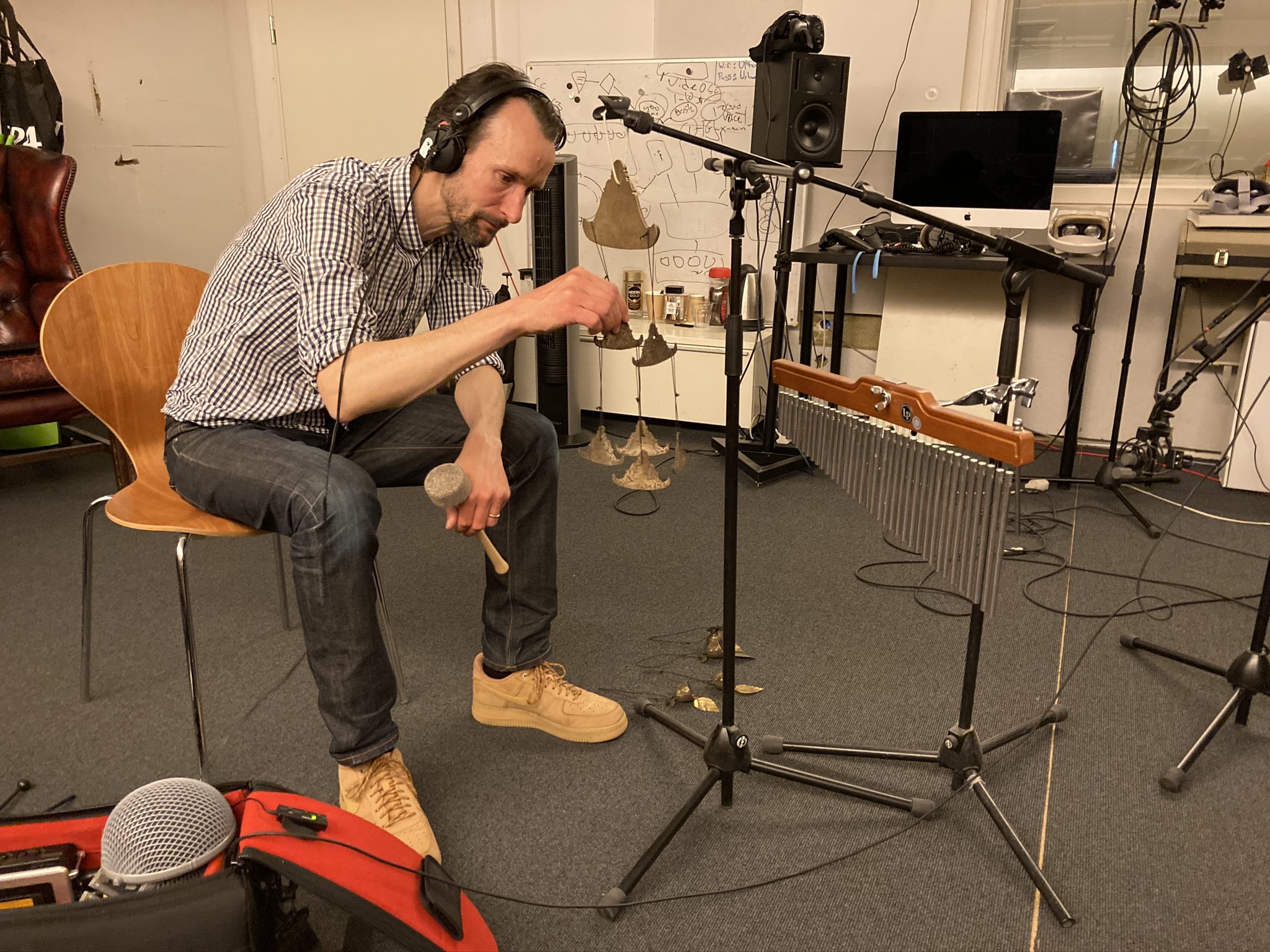
HCK: It might not be something you notice (consciously), but each playable character has its own little signature sound that plays when you switch to that character and occasionally when they move. The Queen has her armor clinking, the Warrior has a leather cuirass that creaks, the Thief has small beads on her bag that rattle, the Castaway has a metal amulet around her neck, and so on. Similarly, they also wear different types of shoes, and hopefully, all of this helps create the necessary variation when spending hours in their company.
Q: With four different realms to consider, how did you craft unique soundscapes and visual landscapes for each region so they feel distinct, yet harmonize when the worlds do end up combining?
MSA: Regarding the music, we’re still working on this at the time of writing! The compositional approach, with the music divided into separate blocks and stems, definitely makes things more flexible. In the end, when the different realms come together, it becomes a kind of musical mashup achieved through a combination of sequencing and layering.
A massive thank you to our art and audio teams for pulling back the curtain on how Order of the Sinking Star came to life visually, musically and audio-wise! As we head into the final month before our October 8 launch, we'll have even more updates to share right here on Steam.
WISHLIST & FOLLOW
Be sure to wishlist and follow the game on Steam, Nintendo Switch 2 and PlayStation 5 to get notified immediately when the game’s available to purchase, and follow our social channels to stay up to date on the latest news for Order of the Sinking Star.
Follow & Wishlist on Steam:
Open this on SifterFollow on X/Twitter: https://x.com/SinkingStarGame Join our Discord: https://discord.gg/PcCxqvfeKK Subscribe on YouTube:
View on Steam ↗Like/Follow on Facebook: https://www.facebook.com/SinkingStarGame
Posted by the game’s developer or publisher to its Steam community hub and published by Valve through Steam’s public news API. Sifter reproduces it unedited and writes none of it.