Paladins®

- Developer
- Evil Mojo Games
- Publisher
- Hi-Rez Studios
- Released
- May 8, 2018
- Steam reviews
- 85% of players recommend it, from 345,310 reviews — Steam calls that “Very Positive”
- Tags
- ActionAdventureMassively Multiplayer
On Linux, Steam Deck and Steam Machine
This game runs under Proton with minor issues, per ProtonDB reports (593 reports). Valve rates it Unsupported on Steam Deck. Easy Anti-Cheat is reported to be running on Linux.
Valve rates it Unsupported on Steam Machine. Valve marks it Unsupported on SteamOS.
Proton tier: ProtonDB · Anti-cheat: AreWeAntiCheatYet · Deck rating: Valve · Steam Machine, Steam Frame and SteamOS ratings: Valve · Compare 2,053 games · Every game Valve rated for Steam Machine
See this for every game you own. Paste a Steam profile: no account, nothing to install.
About this game
The developer's description, from the game's Steam store page.
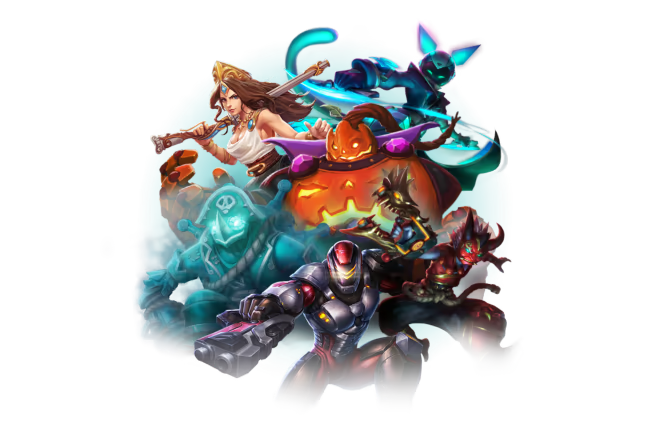
Paladins is a fantasy team-based shooter set in a vibrant Realm, featuring a large cast of Champions from sharpshooting mercenaries, magic wielding scholars, supernatural entities, and even deities and monstrosities from the stars. Teams of 5 face off in a variety of modes from pushing a payload to contesting rotating objectives.
Our roster of over 50 Champions is the largest in the genre, with various archetypes for players to learn and master. Between the versatile and lethal Damage class, the aggressive and elusive Flank class, the sturdy and space-making Frontline class, and the healing and buff managing Support class; there is a Champion that matches every player's expression. Each Champion allows you to customize and augment their abilities out of match & itemize in-game to play exactly how you want them to.
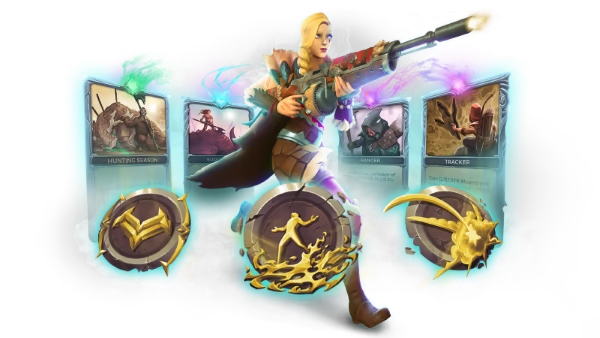
Customization reigns supreme even beyond your gameplay, from the ability to show off your profile to unique Champion skins that alter their presentation and voices, to even effects after you eliminate opponents or fall in battle. Cosmetics explore themes from across the Realm and beyond, meaning your version of a Champion not only plays unique, but looks it too!
System requirements
As Steam lists them.
Windows
Minimum
- OS *
- Windows 7 64-bit or newer
- Processor
- Core 2 Duo 2.4 GHz or Athlon X2 2.7 GHz
- Memory
- 4 GB RAM
- Graphics
- Nvidia GeForce 8800 GT
- Storage
- 30 GB available space
- Sound Card
- DirectX compatible sound card
Recommended
- OS *
- Windows 8/10 64-bit (latest Service Pack)
- Processor
- Intel Core i5-750, 2.67 GHz / AMD Phenom II X4 965, 3.4 GHz
- Memory
- 6 GB RAM
- Graphics
- Nvidia GeForce GTX 660 or ATI Radeon HD 7950
- Network
- Broadband Internet connection
- Storage
- 30 GB available space
- Sound Card
- DirectX compatible sound card
Downloadable content
Steam lists 8 items of downloadable content for this game.
Mods
Upload a mod →Discussions
Open the board →Guides
Write one →More like this
Games in Sifter’s catalogue sharing the most Steam genres with this one.
Arena Breakout: Infinite
Shares 3 genres: Action, Adventure, Massively Multiplayer
Black Desert
Shares 3 genres: Action, Adventure, Massively Multiplayer
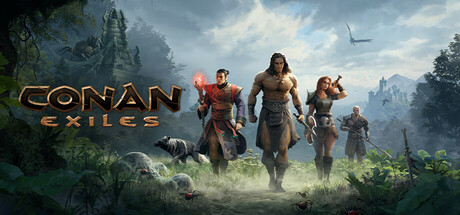
Conan Exiles Enhanced
Shares 3 genres: Action, Adventure, Massively Multiplayer
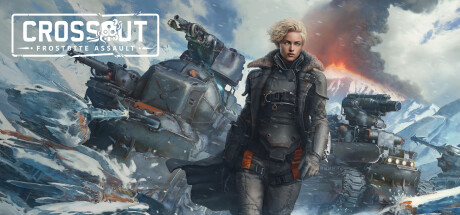
Crossout
Shares 3 genres: Action, Adventure, Massively Multiplayer
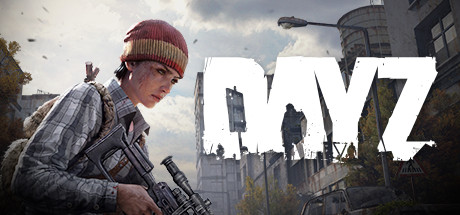
DayZ
Shares 3 genres: Action, Adventure, Massively Multiplayer
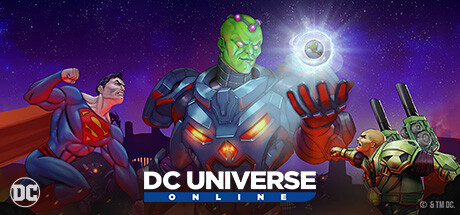
DC Universe™ Online
Shares 3 genres: Action, Adventure, Massively Multiplayer