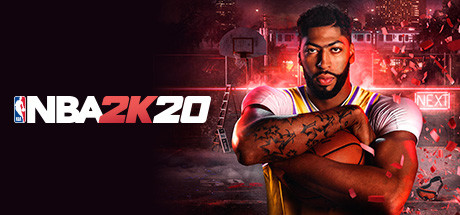
NBA 2K20
- Developer
- Visual Concepts
- Publisher
- 2K
- Released
- Sep 6, 2019
- Steam reviews
- 50% of players recommend it, from 60,391 reviews — Steam calls that “Mixed”
- Tags
- SimulationSports
On Linux, Steam Deck and Steam Machine
This game runs great under Proton after tweaks, per ProtonDB reports (19 reports). Valve rates it Deck Verified.
Valve rates it Verified on Steam Machine. Valve marks it SteamOS Compatible.
Proton tier: ProtonDB · Deck rating: Valve · Steam Machine, Steam Frame and SteamOS ratings: Valve · Compare 2,053 games · Every game Valve rated for Steam Machine
See this for every game you own. Paste a Steam profile: no account, nothing to install.
About this game
The developer's description, from the game's Steam store page.
NOTE: All multiplayer servers for NBA 2K20 will be shutdown as of 12/31/2021. After that time, all game functions requiring online servers will no longer function.
WELCOME TO THE NEXT NBA 2K has evolved into much more than a basketball simulation. 2K continues to redefine what’s possible in sports gaming with NBA 2K20, featuring best in class graphics & gameplay, ground breaking game modes, and unparalleled player control and customization. Plus, with its immersive open-world Neighborhood, NBA 2K20 is a platform for gamers and ballers to come together and create what’s next in basketball culture.
BEST IN CLASS GAMEPLAY Take your skills to the next level with the most realistic player control ever, featuring an upgraded motion engine with signature styles, advanced shooting controls, a new dribble size-up system, refined off-ball collisions, and a new read & react defensive game.
MyCAREER Up-and-coming visionary Sheldon Candis directs the most visually stunning MyCAREER cinematic experience to date. A star-studded cast including Idris Elba, Rosario Dawson, and NBA all-stars past and present bring the journey to life in a completely new and immersive way.
THE NEXT NEIGHBORHOOD Experience a more vibrant, active Neighborhood. Access even more 2K Compete Events, unlock animations with the new Show-Off Stick, play a round on the 9 hole Disc Golf course, and earn more exclusive gear than ever before.
BRING YOUR GAME & REP UP The Park remains the center stage where players hone their skills and battle to be the best. And with the return of Park Rep, everyone will know who’s legit and who needs a seat on the bench. Unlock exclusive items as you rep up, and use them on any of your MyPLAYER builds! Tons of new prizes available with the new and improved Rep system.
MyPLAYER BUILDER More control than ever before. The new MyPLAYER Builder allows you to make decisions on every aspect of your MyPLAYER’s potential, including choosing your own Takeover. With over 100 archetypes and 50 new badges, the combinations are nearly endless.
WELCOME TO THE WNBA For the first time, all 12 WNBA teams and over 140 players are in the game and ready to run in Play Now and Season modes. Complete with gameplay animations, play styles, and visuals built exclusively for the women’s game.
MyTEAM NBA 2K’s fantasy card collector. Master MyTEAM with daily goals, card-leveling, a reimagined Triple Threat, limited-time events, and even more prizes. Enjoy a simplified user experience that both veterans and rookies will appreciate, and stay connected to the community with Locker Codes, Leaderboards, Developer Tips, Team of the Week, and more.
DYNAMIC SOUNDTRACK In collaboration with Steve Stoute and United Masters, this year’s soundtrack features a diverse array of top songs from both well-known and up-and-coming artists from across the globe.
LEGENDARY TEAMS Play with over 10 new legendary teams from the past, including the 2009-10 Portland Trail Blazers, 2015-16 Cleveland Cavaliers, 2013-14 San Antonio Spurs, 2002-03 Phoenix Suns, and All-Decade teams from every era of NBA history. Over 100 total legendary teams to choose from.
NEXT LEVEL PRESENTATION Dynamic, broadcast-quality gameplay presentation featuring the deepest roster of talent in sports videogame history, led by Kevin Harlan, Ernie Johnson, and many more. It’s an audio experience unlike any other, with over 60,000 new lines of dialogue, all-new studio shows and game intros, MyPLAYER interviews, records and milestone coverage, and over 2,000 arena specific crowd reactions and sounds.
MyGM/MyLEAGUE Think you can build the next dynasty? Take full control of a franchise and develop a champion from the ground up. Featuring new skill trees, a revamped relationship system, simulator customization, revised scouting, and more.
2KTV – SEASON 6 Hosted by Alexis Morgan & Chris Manning, NBA 2KTV returns for another season as the hub for all things NBA 2K. Featuring members of the 2K community, exclusive interviews with NBA & WNBA stars, the latest 2K20 news, tips & insights directly from developers, and your weekly Top Plays!
System requirements
As Steam lists them.
Windows
Minimum
- OS *
- Windows 7 64-bit, Windows 8.1 64-bit or Windows 10 64-bit
- Processor
- Intel® Core™ i3-530 @ 2.93 GHz / AMD FX-4100 @ 3.60 GHz or better
- Memory
- 4 GB RAM
- Graphics
- NVIDIA® GeForce® GT 450 1GB / AMD® Radeon™ HD 7770 1GB or better
- DirectX
- Version 11
- Storage
- 80 GB available space
- Sound Card
- DirectX 9.0x compatible Dual-Analog Gamepad: Recommended
- Additional Notes
- Initial installation requires one-time internet connection for Steam authentication; software installations required (included with the game) include DirectX and Visual C++ Redistributable 2012.
Recommended
- OS *
- Windows 7 64-bit, Windows 8.1 64-bit or Windows 10 64-bit
- Processor
- Intel® Core™ i5-4430 @ 3 GHz / AMD FX-8370 @ 3.4 GHz or better
- Memory
- 8 GB RAM
- Graphics
- NVIDIA® GeForce® GTX 770 2GB / AMD® Radeon™ R9 270 2GB or better
- DirectX
- Version 11
- Storage
- 80 GB available space
- Sound Card
- DirectX 9.0c compatible sound card
- Additional Notes
- Dual-analog gamepad
Mods
Upload a mod →Discussions
Open the board →Guides
Write one →More like this
Games in Sifter’s catalogue sharing the most Steam genres with this one.
DiRT Rally
Shares 2 genres: Simulation, Sports
DiRT Rally 2.0
Shares 2 genres: Simulation, Sports

EA SPORTS™ College Football 27
Shares 2 genres: Simulation, Sports

EA SPORTS™ Madden NFL 27
Shares 2 genres: Simulation, Sports

Fishing Planet
Shares 2 genres: Simulation, Sports

Football Manager 2017
Shares 2 genres: Simulation, Sports